Silver Borough Recycling Rules Explained: What Goes in Which Bin
Most recycling mistakes in Silver Borough aren't careless. They're guesses.
A pasta sauce jar gets scraped and rinsed, then the lid goes one way, the jar another, and the plastic cap sits on the counter while somebody decides. Multiply that hesitation by every kitchen on the block and you get a stream that is part valuable material, part contamination — and contamination is what gets whole truckloads turned away.
Here's what actually goes where, and why it matters.
Start With the Cart, Not the Item
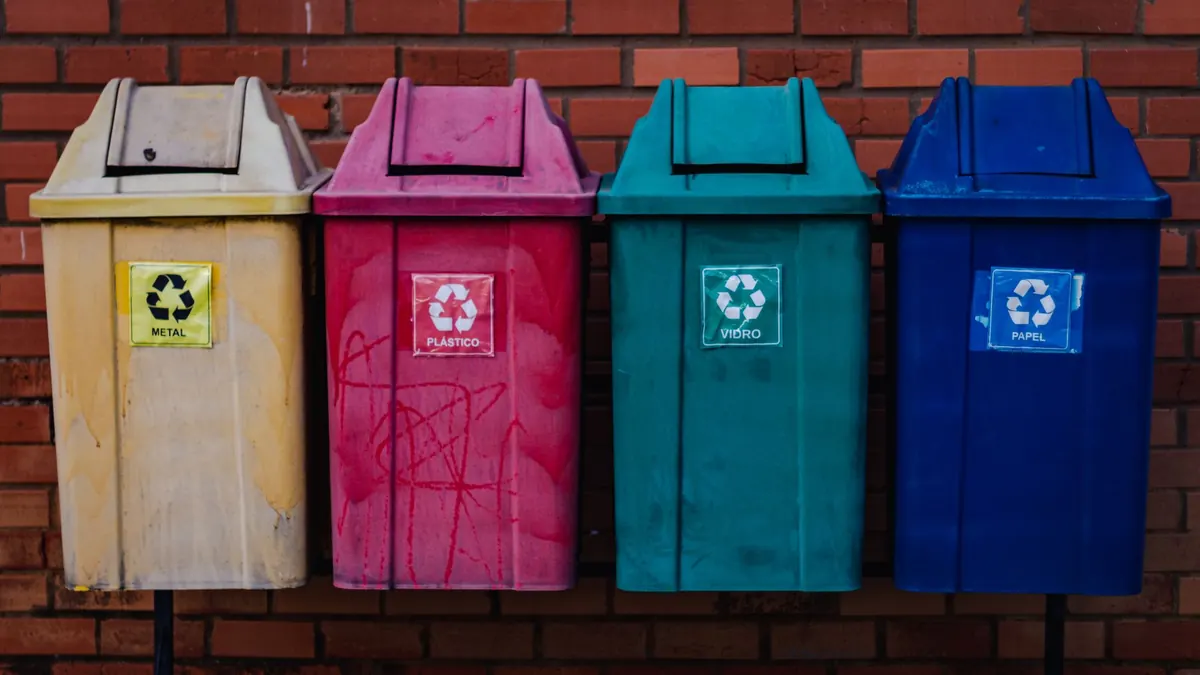
Most households here deal with three streams: a commingled recycling cart, a yard-and-food-waste cart, and regular trash. Cart colors, pickup days, and the exact list of accepted items vary by route, so treat the sticker on your lid or the borough's collection calendar as the authority. If you've moved recently, or your hauler changed, assume nothing until you've checked.
The principle that clears up most confusion is this: sorting happens in your kitchen, not at the curb. Curbside collection is not a sorting service. When a load contains too much non-recyclable material, the hauler can reject the entire truck, and everything in it — including the good stuff — ends up landfilled. That is why "when in doubt, throw it out" is standard advice rather than a cop-out.
Three words cover most of it: empty, clean, dry. A quick rinse is enough. You are removing food residue that attracts pests and ruins paper, not sterilizing packaging. Labels can stay on; they're burned off during processing. Flatten boxes so the cart holds more than air.
What Belongs in the Recycling Cart
Paper and cardboard
- Corrugated cardboard, flattened, with packing tape and foam inserts removed
- Newspapers, magazines, catalogs, junk mail, office paper
- Paperboard boxes — cereal, crackers, shoes, tissues
- Paper grocery bags
Two exceptions trip up almost everyone. Greasy pizza boxes: tear off the clean lid and recycle that, then trash the oily bottom. Shredded paper: many programs can't process it because it wraps around sorting equipment, so check with your hauler or save it for a community shred event. Coffee cups and frozen food boxes are usually lined with a thin plastic film and belong in the trash unless your hauler says otherwise.
Glass, metal, and plastic
- Glass bottles and jars, rinsed, with lids removed or left loose
- Aluminum cans, steel and tin cans, clean foil
- Plastic bottles and jugs — the ones with a neck
- Dairy tubs and similar containers, if your program accepts them
Shape matters more than the little number stamped on the bottom. Bottles and jugs are the safest bet. Black plastic, takeout clamshells, and anything smaller than a fist usually can't be sorted by the machinery, so they get pulled out as trash — or jam the line while a crew climbs in to clear it.
The Things That Spoil a Load
A short list of items causes a disproportionate amount of damage. Keep them out of the recycling cart:
- Plastic bags and film. They wrap around sorting equipment and shut lines down. Most grocery stores collect them at the entrance instead.
- Bagged recyclables. Sorting facilities can't open bags. Everything goes in loose.
- Batteries. Lithium batteries can spark and start fires in trucks and buildings. Never curbside, not even one.
- Tanglers. String lights, extension cords, garden hoses, wire — they strangle the machinery.
- Liquids and food. A half-full bottle or a greasy container contaminates the paper stacked around it.
Propane cylinders, needles, and other sharps stay out too. The borough or your hauler can point you to the right drop-off for each, and it's worth asking rather than guessing.
Yard Waste and Food Scraps
Grass clippings, leaves, and small branches go in the yard waste cart — never in plastic bags, which defeat the whole point. Use paper lawn bags or a reusable bin, and keep branches under whatever size limit your route lists, since oversized limbs jam the chipper.
If your cart is a combined yard-and-food program, add fruit and vegetable scraps, coffee grounds, eggshells, and tea bags. If it's yard-only, keep meat, dairy, and cooked food out entirely; those belong in the trash or in a separate organics collection. When in doubt about which type of cart you have, the lid sticker settles it in seconds.
When It Can't Go Curbside
Some items need a phone call, a Saturday trip, or a scheduled pickup. Plan for these instead of sneaking them into the cart, where they cause the most trouble:
- Electronics. Televisions, computers, monitors, and printers are often banned from landfills and collected at designated drop-off events.
- Paint, solvents, pesticides, motor oil. These belong at a household hazardous waste collection day, in their original containers if possible.
- Medications. Use a pharmacy or police-station take-back kiosk. Don't flush them and don't toss them loose.
- Mattresses, furniture, appliances. Schedule a bulky item pickup, or ask whether your hauler offers one.
- Textiles. Worn but clean clothing, shoes, and linens go to donation bins or charity pickup, not the recycling cart.
- Fluorescent tubes and CFL bulbs. Many hardware stores and designated sites accept them because they contain mercury.
For anything hazardous, follow the instructions on the label and ask the borough office for the current collection schedule. If you're ever unsure whether something is safe to put in the trash, it's worth a phone call.
Four Habits That Take Five Minutes
- Rinse as you cook. A jar rinsed while the sink is already full takes seconds. A jar that sits overnight takes scrubbing.
- Keep a small bin beside the trash. Convenience decides most of this. If the recycling container is across the kitchen, the bottle goes in the wrong one.
- Post the yes-and-no list inside a cabinet door. The borough's flier or a printout taped where you can see it ends the household debates.
- Check before you toss. If you're squinting at an item wondering whether it counts, the honest answer is usually the trash can — or a trip to the right drop-off.
Nothing here requires a label-reading marathon or a reorganizing of your garage. It requires knowing your route's rules, rinsing what you can, and refusing to hope an item is recyclable when you know it probably isn't. Done consistently across a few hundred households, that's the difference between a clean load and a rejected one.
Photo: Hiago Rocha / Pexels