Silver Borough Farmers Market: A Month-by-Month Guide to What's in Season
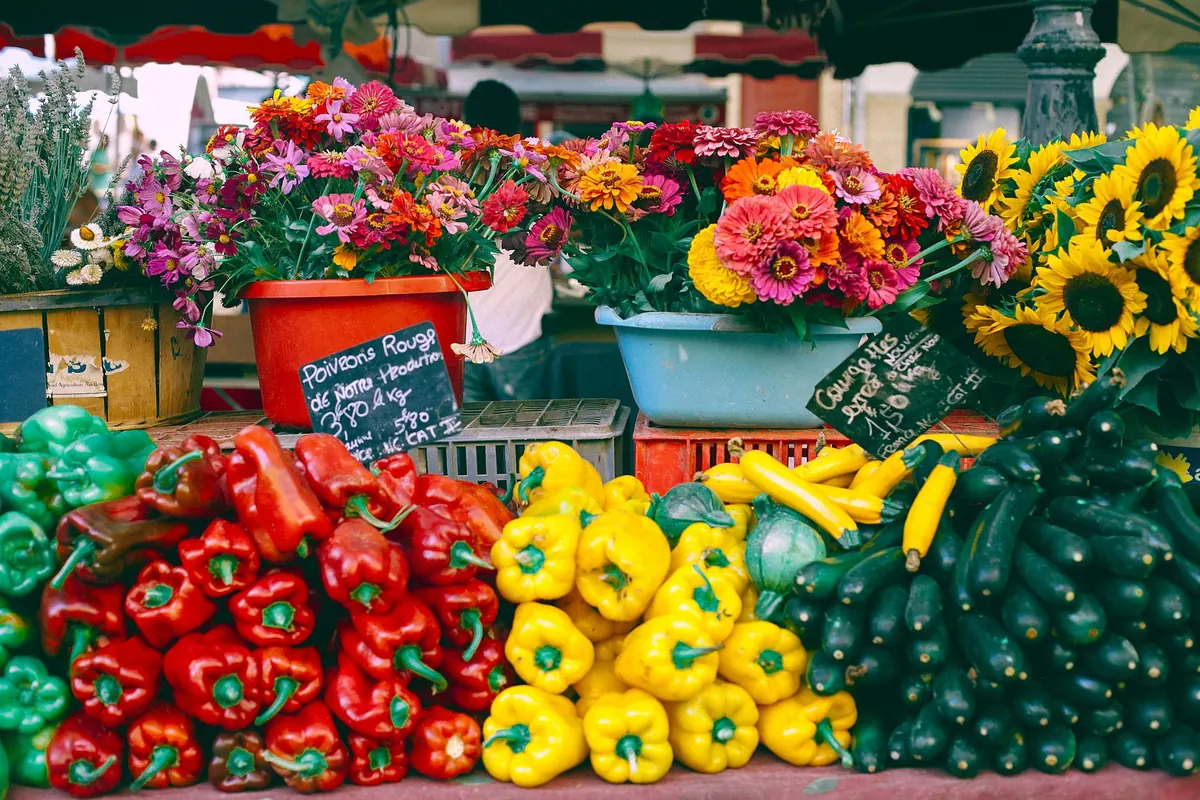
There are two calendars at work in any farmers market. One is printed on the banner and posted at the gate. The other is written in soil temperature, night frosts, and how much rain fell in the third week of June. Silver Borough's market runs on the second calendar, which is why the tables look a little different nearly every time you visit — and why it helps to know roughly what's coming.
What follows is a month-by-month sketch of what local growers and makers tend to bring through the year. Treat it as a map rather than a train schedule. A warm spring can pull strawberries forward by a week or more; one stubborn cold snap can hold asparagus back just as long. Ask the person behind the table what looks good today, and you'll never be far off.
Winter: January and February
This is the market at its quietest and, in some ways, its most rewarding. Stalls shrink, growers stand closer to the braziers, and almost nothing on the table came out of an open field this week. What you're buying is the result of careful storage and cold-hardy growing.
Expect sturdy roots and alliums, hearty greens from cold frames and greenhouses, and the long tail of last autumn's harvest.
- Winter squash, potatoes, sweet potatoes, onions, garlic, and shallots
- Carrots, beets, turnips, parsnips, celeriac, rutabaga, and leeks
- Cabbage, kale, collards, overwintered spinach, and greenhouse salad mix
- Apples and pears from storage, dried beans, and — where a local mill is part of the market — stone-ground flour and cornmeal
The artisan side carries the season. Bread, aged cheese, honey, jams, pickles, cured meats, candles, wool, pottery, and soap all show up in force when the produce tables are lean. Winter is also the best time to ask about farm shares and buying roots by the box; growers have time to talk, and you'll get a better sense of how a farm actually operates than you will in July.
Early Spring: March and April
The market wakes up slowly, then all at once. In March you're still mostly eating stored food, but forced rhubarb appears — pink, tart, and worth the splurge — along with overwintered spinach, leeks, and parsnips that have sweetened in the cold ground. Nettles show up in bunches, and if you live where trees are tapped, maple syrup makes its brief appearance.
By April the tables start to change character: radishes, pea shoots, spring onions, salad greens, and the first herbs. This is also transplant season. If you keep a garden, you'll find seedlings, seed potatoes, onion sets, and herb starts, and the growers selling them usually know exactly what performs well in local soil. Eggs become plentiful again as hens respond to longer days. Asparagus may arrive in the final days of the month, though it rarely commits to a date.
Late Spring: May and June
May is asparagus month, and it goes fast — the spears are tender early and get woody as the weather warms. Alongside them: peas, snow peas, sugar snaps, lettuce, chard, bok choy, spring turnips, and the first small beets and carrots. In June, garlic scapes appear. Buy a bunch, blitz them into pesto with olive oil, nuts, and hard cheese, and freeze it in ice cube trays for February.
Then comes strawberry season, and it is short. If your household can eat through a flat in a weekend, buy a flat. If not, buy two quarts and make jam the same day. Sweet and sour cherries, raspberries, and the first zucchini usually follow before the month ends.
High Summer: July and August
This is the market at full volume. Tomatoes in every color, sweet corn, cucumbers, peppers, eggplant, green beans, summer squash, new potatoes, blueberries, blackberries, peaches, plums, melons, basil, and tomatillos — often all in the same visit. It's easy to overbuy, and most of us do.
How to handle peak season
Arrive within the first hour if you're after something specific. The best tomatoes and the last of the sweet corn go early, and the parking goes with them. Bring a cooler or insulated bag in the car, keep a few small bills in your pocket for the vendors who still prefer cash, and plan a preserving session rather than an impulse purchase. Tomatoes, pickles, and berry jam are the three projects worth repeating every year.
If you're canning or freezing in quantity, follow a tested recipe from a recognized preservation source rather than a family guess. Getting the acidity and processing times right matters more than any shortcut.
Autumn: September and October
The market turns golden and, frankly, a little chaotic in the best way. Apples and pears arrive in dozens of varieties, and cider — sweet and hard — starts flowing. Winter squash piles up next to pumpkins, sweet potatoes, leeks, parsnips, Brussels sprouts, cauliflower, and late tomatoes that finally taste like something.
Ask about "seconds" — the slightly bruised or irregular fruit that growers sell for less. They're perfect for applesauce, pies, and the freezer, and most vendors are happy to point you toward them. This is also when aged cheese, dried beans, popcorn, and long-keeping preserves deserve a spot in your basket. Buy a few extra squash; kept cool and dry, they'll carry you well into winter.
The Last Stretch: November and December
The year closes the way it opened, with storage crops and hardy greens, but with a festive edge. Expect cabbage, kale, collards, carrots, beets, celeriac, winter squash, onions, garlic, dried beans, apples from storage, and greenhouse greens. Holiday markets bring wreaths, evergreen swags, dried flower arrangements, candles, soaps, wool, baked goods, gift boxes of preserves, and hot cider to drink while you shop.
Two practical notes for this stretch: order any holiday roast, bird, or large cheese wheel in advance, because the good ones get spoken for weeks ahead. And if you're giving food as a gift, ask the maker how long it keeps and whether it needs refrigeration — a jar of jam that has to be eaten within the week is a different present than one that lasts a year.
How to Shop the Calendar
You don't need a spreadsheet. A handful of habits will keep you eating well all year.
- Go early for the short season, late for the deals. Strawberries, asparagus, and sweet corn reward punctuality. The final half hour is when growers would rather sell than pack up.
- Talk to two vendors every visit. Ask what's coming next week and what they'd buy today. That's how you learn the real calendar.
- Buy a little extra at peak. A few pounds of tomatoes in August and a box of apples in October cost less than their January equivalents and taste better, too.
- Keep a market bag in the car. Plus a cooler in summer and a spare tote for the squash you didn't plan on.
- Check the market's schedule before you go. Some vendors attend every week, others every other week, and holiday hours shift.
The pleasure of a seasonal market is that it never quite repeats itself. Go often enough and you'll stop thinking in months and start thinking in weeks — the week the scapes show up, the week the peaches peak, the week the first squash lands. That's the calendar worth keeping.
Photo: Maria Orlova / Pexels